
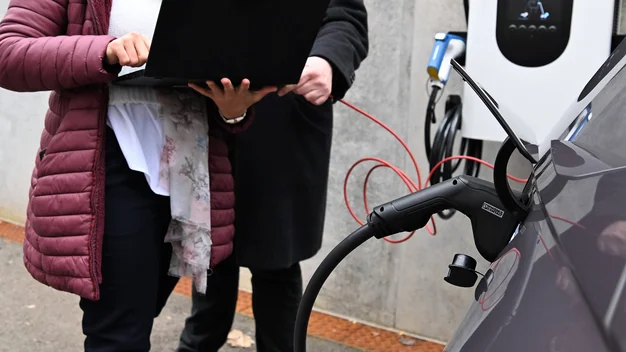
Fifteen years ago, with the first endowed professorship at the THU, the Solar Foundation and the SWU set out to find out how much solar power the electricity grid in Ulm could accommodate. Today, the question is: How many electric vehicles can be charged using the existing electricity grid?
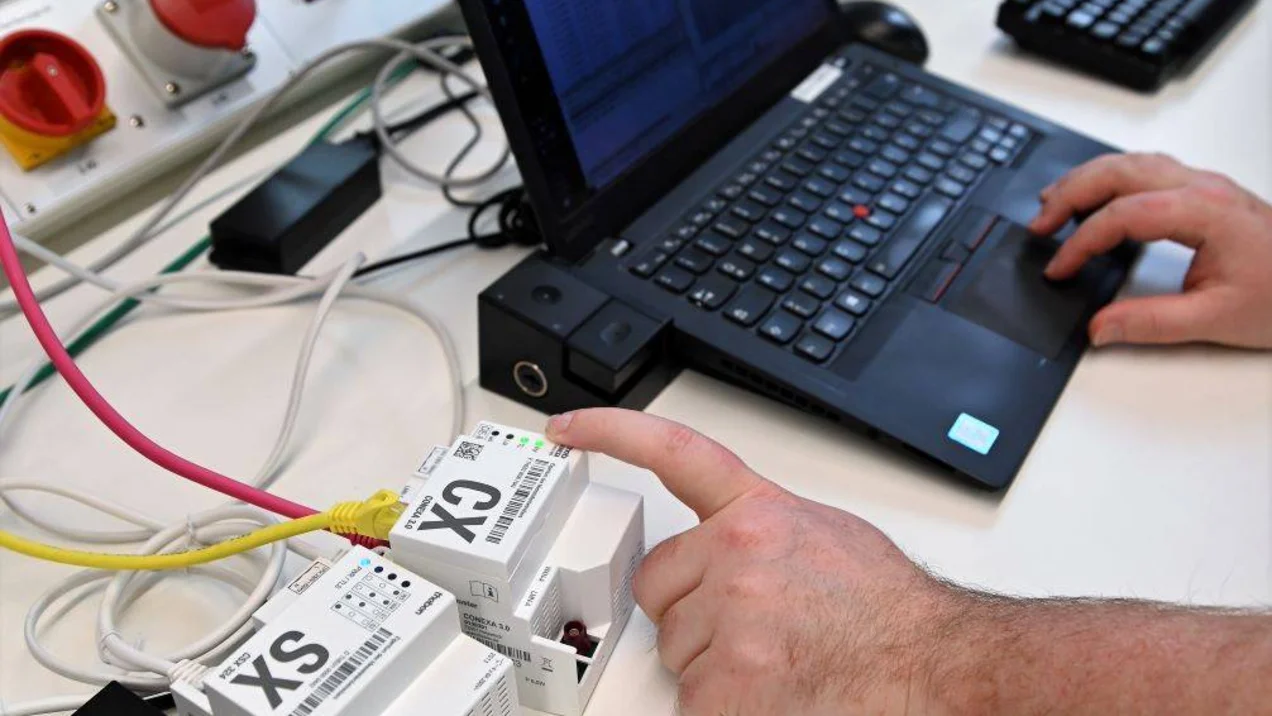
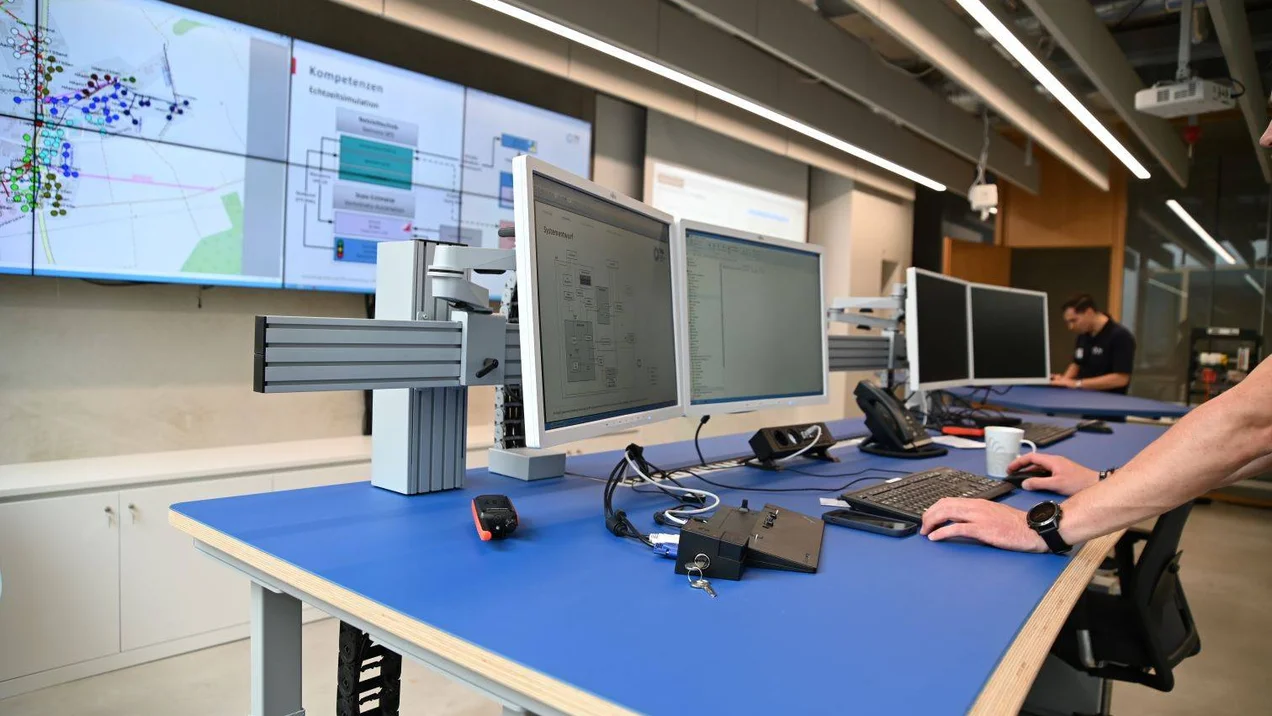
The Smart Grids research group at THU is investigating these issues, developing solutions with industrial partners and testing them in the THU Smart Grid Laboratory and in field tests together with SWU and citizens. Climate change requires a transformation of the energy system with the use of decentralized renewable fluctuating energy sources. The solution is the digitalization of the energy transition. Smart meters will bring transparency to the energy distribution grids and make it possible to control solar power and e-charging. Data hubs, data models, big data and cyber security are further aspects of this digitalization.
Our research topics include the fields of energy meteorology, energy informatics, energy economics and the planning and operation of energy infrastructure.
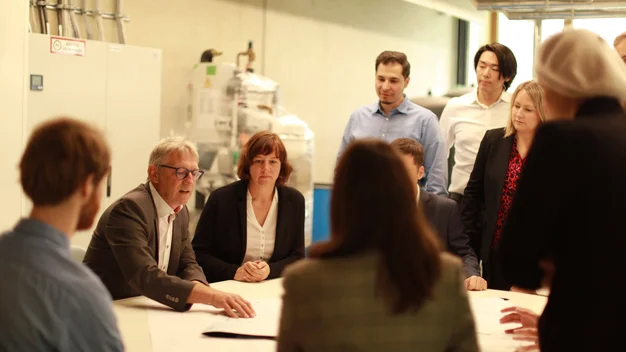
We develop, model and simulate cross-sector expansion scenarios for future energy supply structures. The spatio-temporal behavior of generation and load plays a central role here, with special consideration of new technologies in addition to the repercussions on the energy market and market design. Based on this, we analyze and evaluate the energy industry, derive recommendations for action and develop business models.
The interaction between generation, transport, storage and consumption requires local digitalization through intelligent components, complete digitalization and networking of the supply system as well as networking of the overall system at a higher level. Enormous innovations in the field of digitalization will be required to make the future energy system sustainable, secure and affordable in a liberalized market environment.
In addition to the structural changes in the energy industry, trends and disruptive technologies must be identified that allow for a dynamic transformation of our energy system. The research topic of energy informatics opens up many opportunities to develop software architectures, applications and new functionalities of intelligent components.
The technical and economic aspects of the transmission and distribution of electrical energy in energy supply systems with a large proportion of renewable energies are investigated in the energy infrastructure area of expertise. We look at microgrids, distribution grids, supply islands and transmission grids.
In addition to structural changes in the energy industry, it is important to identify trends and disruptive technologies that will enable a dynamic transformation of our energy system. The research topic of energy informatics opens up many opportunities to develop software architectures, applications and new functionalities of intelligent components.
In the competence field of energy meteorology and renewable resources, one of the fundamental building blocks of the future energy supply system is investigated in order to know the relevant characteristics in high spatiotemporal resolution.
Based on this, both long-term and large-scale potentials can be determined and the dynamic behavior can be evaluated.