
The major challenges facing energy technology in the future are quite clear: conserving resources and protecting the environment. To achieve this, we need innovative processes in the fields of energy conversion, distribution and storage.
At the IEE, experts from a range of disciplines – from electrical and thermal systems to energy economics – teach and conduct research together. The institute has access to the full range of modern technologies for energy generation and utilisation: from fuel cells and combined heat and power plants to geothermal energy, photovoltaics and solar thermal energy.
Faculty of Production Engineering and Production Management (P)
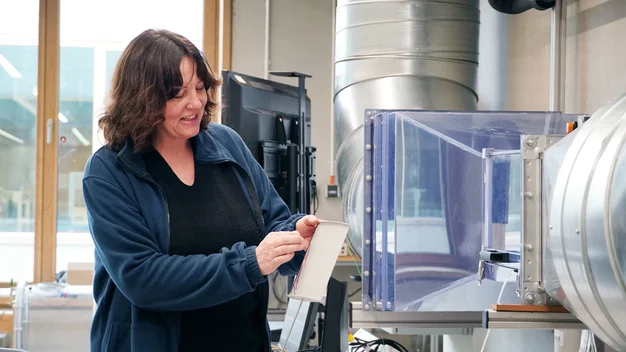
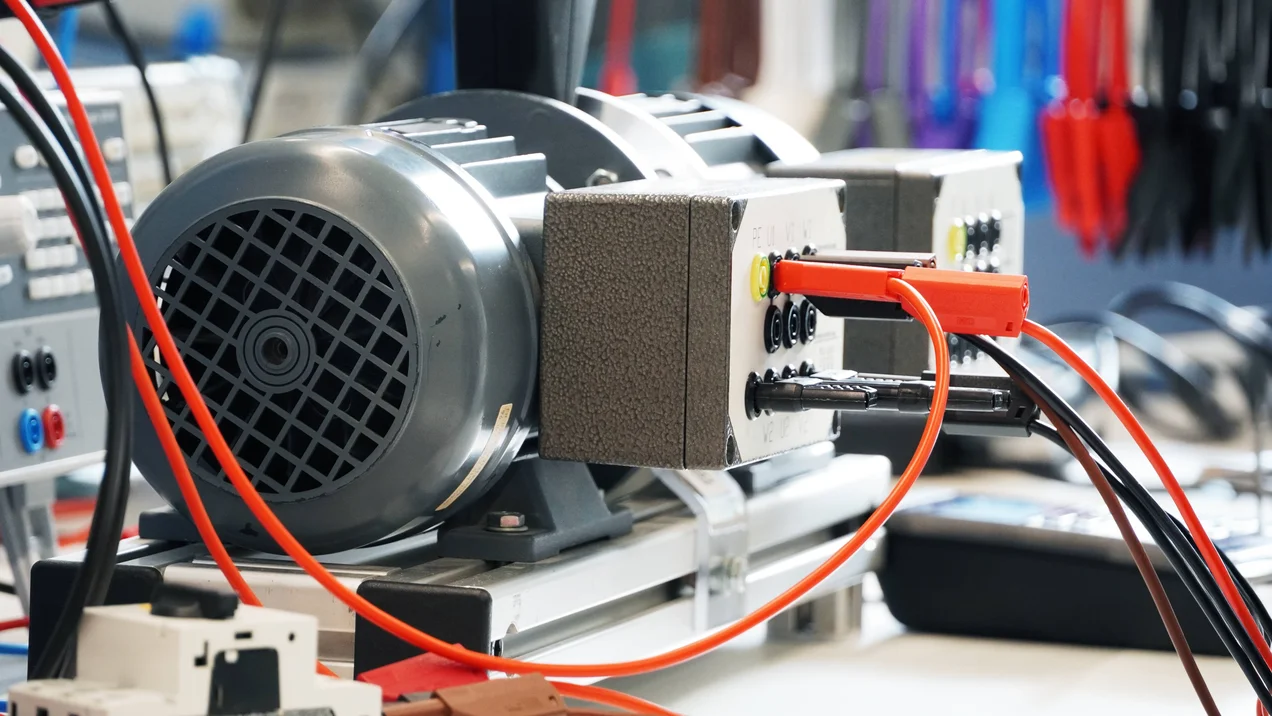
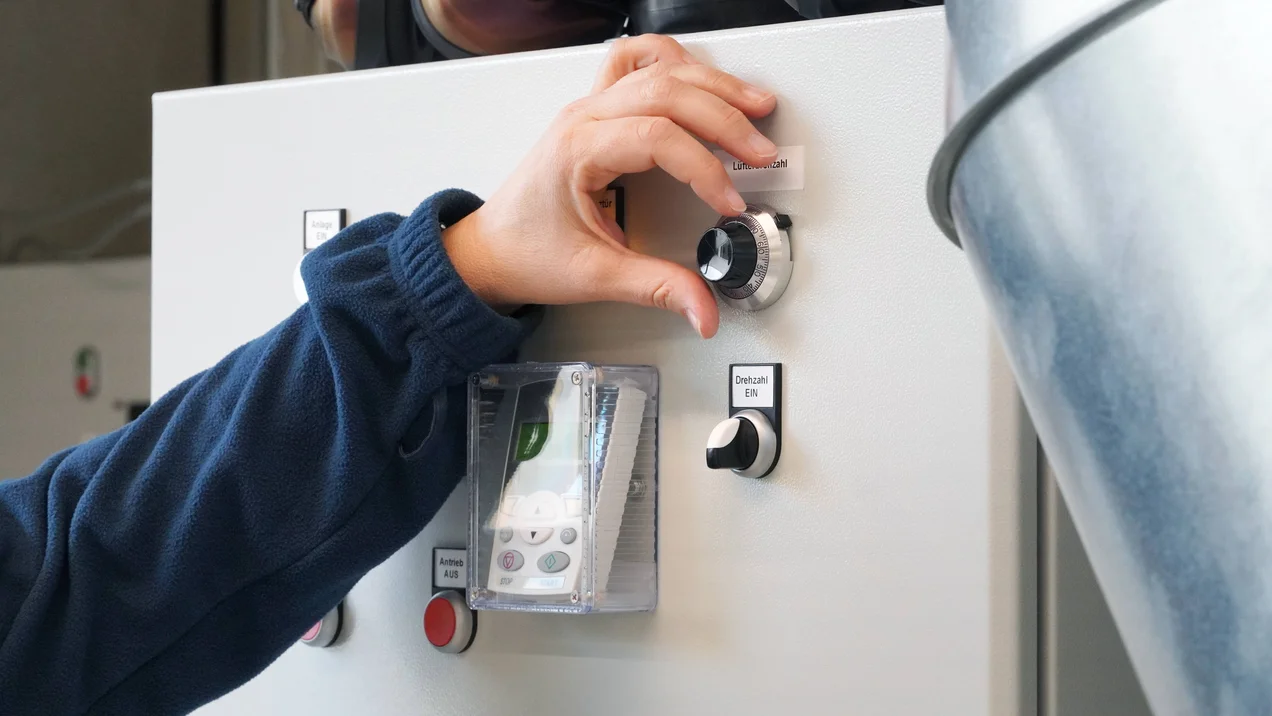
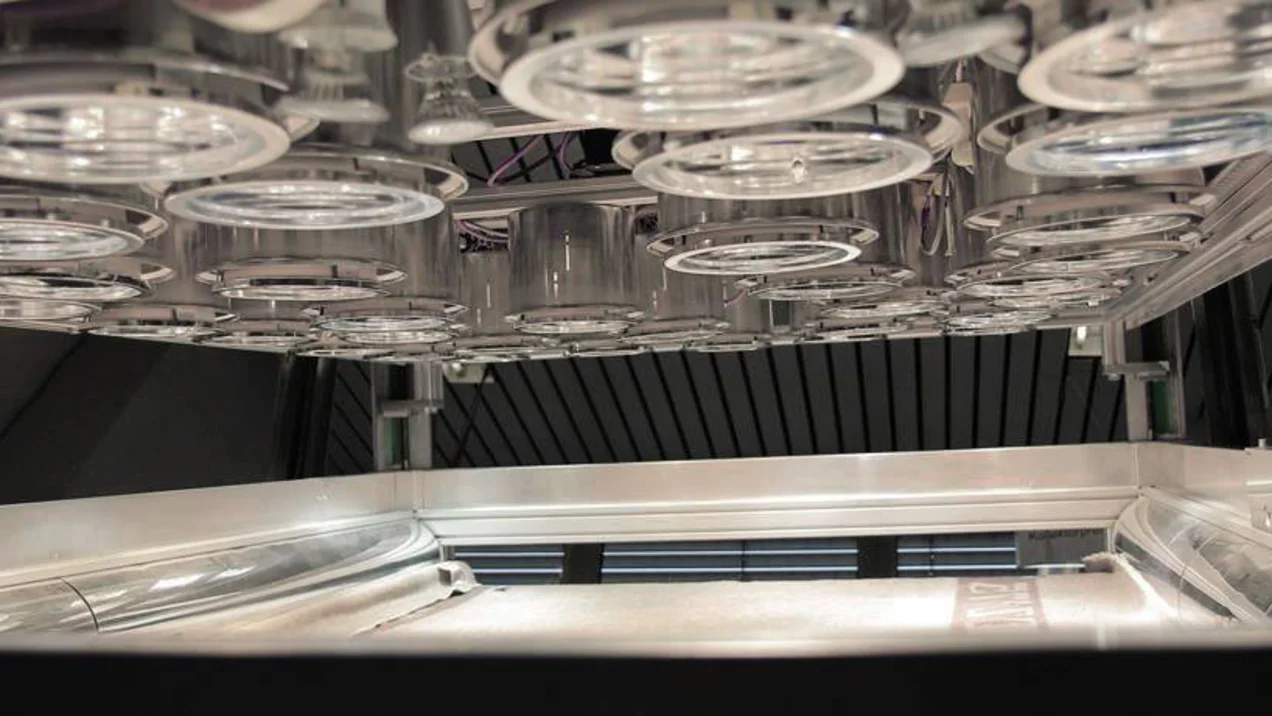
Experimental facilities:
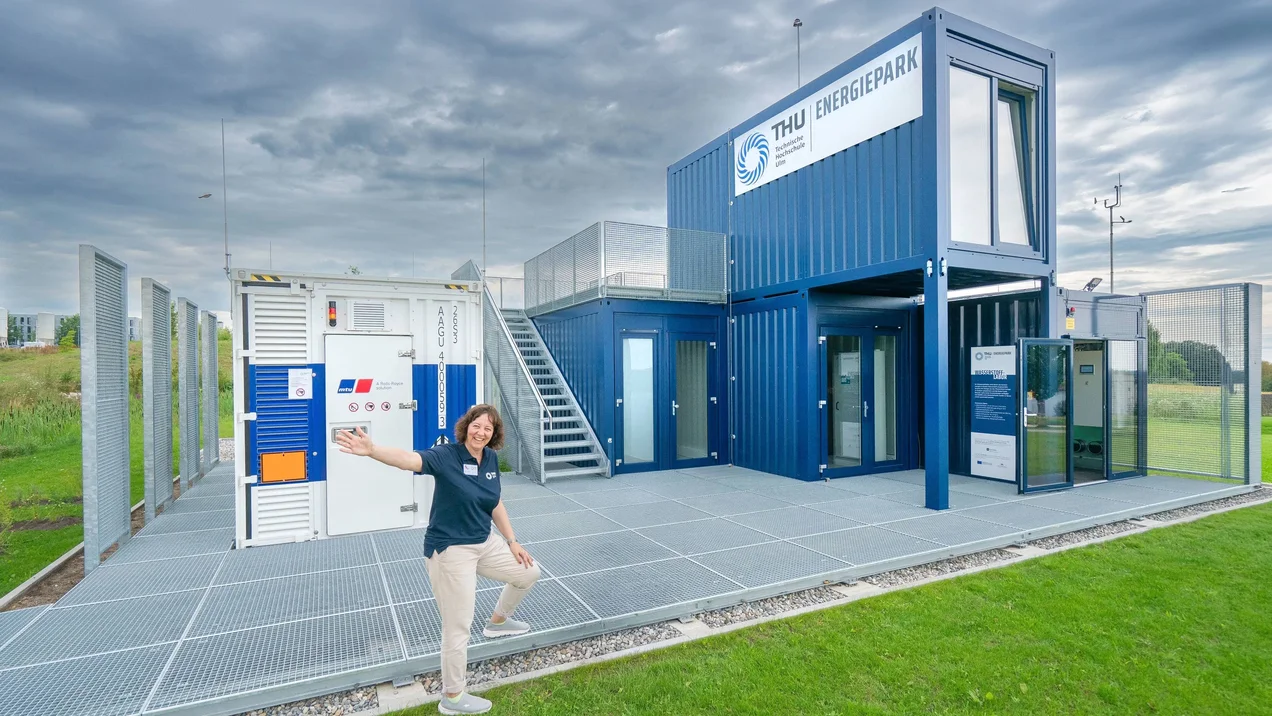
The H2-Wandel project is advancing the development of a “Green Hydrogen” model region in the Mittlere-Alb-Donau region. To this end, various demonstration projects for hydrogen production, storage, and transportation are being launched. The THU is involved in two key areas: first, the H2-togo flagship project, which focuses on the use of green hydrogen in mobility; and second, the H2-Grid flagship project, which investigates the grid-friendly operation of decentralized electrolysis plants. As part of the H2-Grid project, a 20 kW electrolysis plant with an 8 kW fuel cell and a storage system with a capacity of 16 kg of hydrogen was installed at the IEE. Research is now being conducted on this system to examine the application of the technology, the interaction of the various components, and issues related to the system’s efficiency.
In collaboration with other partners, the goal is to develop optimized operational management through cross-sector, forecast-based demand management for regional hydrogen logistics. At THU, the work will also focus on integrating the electrolysis plant into the existing “Efficiency House Plus.” The project is funded by the state of Baden-Württemberg and the EU through the European Regional Development Fund (ERDF) program.
The project is researching a practical, decentralized concept for the storage, distribution, and use of decentralized green hydrogen for sector coupling. The starting point is the need for decentralized hydrogen production and utilization across all sectors, including in rural regions not accessible via central supply routes. Interoperability is crucial—that is, the integration of different production, storage, and consumption concepts with varying technical parameters. The project’s innovation lies in researching practical methods through which this interoperability can be implemented among the participating stakeholders.
The project is in line with the State of Baden-Württemberg’s Hydrogen Roadmap, the National Hydrogen Strategy, and the European Green Deal. It strengthens the research expertise of the participating universities, intensifies knowledge transfer to regional and supraregional stakeholders in the business sector, and integrates the research findings into teaching.
Duration: October 1, 2023 – September 30, 2027; Project partners: Reutlingen University, Esslingen University of Applied Sciences, Ulm University of Applied Sciences
Initial findings from Ulm University of Applied Sciences have been published in two peer-reviewed articles:
This project is funded as part of the Program for Applied Sustainability Research at Universities of Applied Sciences in Baden-Württemberg (PAN HAW BW) with funds from the European Regional Development Fund (ERDF) and the State of Baden-Württemberg.

Prof. Dr.-Ing. Raphael Arlitt
Prof. Dr. Walter Commerell
Prof. Dr. oec. Dietmar Graeber
Prof. Dr.-Ing. Florian Klumpp
Prof. Dr.-Ing. Jens Konrath
Prof. Gerd Heilscher
Prof. Dr. Michael Lux
Prof. Dr.-Ing. Carsten Mende
Prof. Dr.-Ing. Martin Müller
Prof. Dr. rer. nat. Marc-Oliver Otto
Prof. Dr.-Ing. Michael Schlick
Prof. Dr. Stephan Schlüter