Applied Mathematics for Energy Markets Research Group

The Applied Mathematics for Energy Markets research group at Ulm University of Technology focuses on the current challenges facing the energy sector in the context of climate change and the energy transition.
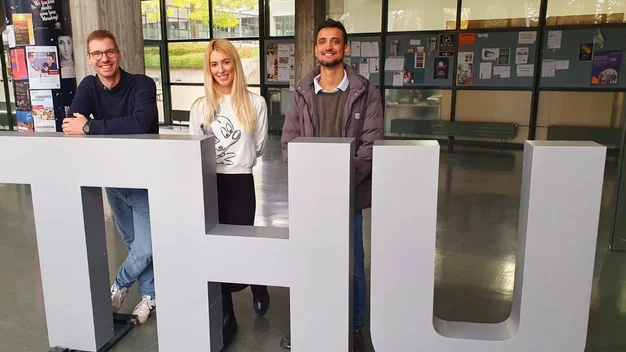
Copyright: THU

Our research group investigates modern mathematical methods for addressing the pressing challenges of today’s energy landscape. Through rigorous scientific research, we develop practical solutions that not only address the industry’s current challenges but also pave the way for a resilient and environmentally conscious energy future.

Join us on this journey of research and discovery, where mathematics becomes a vital tool for shaping the energy industry of tomorrow. Together, we are making a contribution at the intersection of mathematics, energy, and the global fight against climate change.

Our research fields are dedicated to expanding the frontiers of knowledge and actively shaping the scientific discourse on sustainable energy solutions. Discover our research findings and current developments that drive our mission for a resilient and sustainable energy future.

Opportunities to get involved

Our research group is always looking for students and researchers who are interested in contributing to the field of energy markets.

Our work focuses on mathematical models for energy markets. We are therefore particularly interested in collaborating with individuals who have expertise in one of the following areas:

Bachelor’s and Master’s students with relevant prior knowledge are welcome to write their thesis in our research group. Topics for Bachelor’s and Master’s theses are developed and determined jointly.

Research Areas

The Fukushima nuclear disaster led to the immediate shutdown of several nuclear power plants in Germany and marked the beginning of a profound shift toward renewable energy. Since wind and solar energy are highly dependent on weather conditions and are therefore subject to stochastic fluctuations, new and advanced methods are needed, for example, to:

  • predict the net energy demand for the next day (grid management),
  • efficiently operate real options such as power plants or energy storage systems,
  • predict weather trends to forecast electricity generation from renewable energy sources,
  • analyze price trends for improved risk management and energy trading.

Contributors:

  • Abhinav Das

  • Prof. Dr. Stephan Schlüter

Copyright: iStock/agnormark

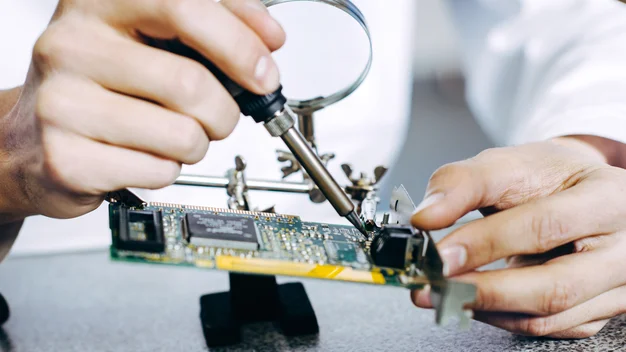
Development of cost-effective, self-sufficient sensor systems for economically disadvantaged regions. These systems are intended to facilitate the use of renewable energy and support general weather forecasting.

Contributors:

  • Erick Maria Pinal Lara
  • Prof. Dr. Stephan Schlüter

Contributors:

  • Dr. Milena Kojić, PhD
  • Dr. Petar Mitić, PhD
  • Prof. Dr. Stephan Schlüter
Copyright: AdobeStock/MclittleStock

Digitalization provides access to enormous amounts of climate and environmental data. The number of sensors is constantly growing, and satellites, for example, make it possible to measure carbon dioxide concentrations almost anywhere in the world. The research group is investigating how this vast trove of data can be used to address scientific questions and develop sustainable solutions. The focus is on:

  • analyzing the reliability of various CO₂ measurement methods,
  • examining correlations between country-specific characteristics and respective CO₂ emissions,
  • the analysis of spatial data,
  • assessing the potential of ChatGPT for data processing and deriving insights.

Contributors:

  • Yong Seok Hwang

  • Prof. Dr. Stephan Schlüter

Working papers
  • Lara Pinal E M, Das A, Schlüter S (2024). Development and Implementation of a Low-Cost Modular IoT Device for Environmental Monitoring and Solar Energy Forecasting Using Artificial Intelligence. Working Paper. Submitted.
Published papers
  • Lebedev A, Das A, Pappert S, Schlüter S (2026): Analyzing Uncertainty Quantification in Statistical and Deep Learning Models for Probabilistic Electricity Price Forecasting. IEEE Access. ieeexplore.ieee.org/stamp/stamp.jsp
  • Das A, Schlüter S, Schneider L (2026): Regime-aware conditional neural processes with multi-criteria decision support for operational electricity price forecasting. doi.org/10.1016/j.eneco.2026.109233.
  • Das A, Schlüter S, Schneider L (2026): Electricity Price Prediction Using Multi-Kernel Gaussian Process Regression combined with Kernel-Based Support Vector Regression. Journal of Forecasting. onlinelibrary.wiley.com/doi/10.1002/for.70124
  • Hwang YS, Schlüter S, Park H, Um JS (2026). Arctic vegetation is more sensitive to heatwave-induced photosynthetic decline than other climate zones in Europe (2009–2017). Scientific Reports.
  • Hwang YS, Schlüter S, Lee JJ, Um JS (2026). Unlocking the potential of ChatGPT in investigating NDVI over the vineyard habitat of the Mediterranean coastal city. Journal of Coastal Conservation. 30:1. doi.org/10.1007/s11852-025-01184-0productivity
  • Hwang YS, Schlüter S, Pradha B, Um JS (2025). Unlocking the potential of ChatGPT in detecting the XCO2 hotspot captured by the Orbiting Carbon Observatory-3 satellite. Scientific Reports, 15, 28969.
  • Vogl M, Kojic M, Schlüter S (2025): Decrypting the Triad of Climate Policies, Macroeconomic Interdependencies, and Quantitative Modeling: A Literature Review on Quantifying Climate Risks. Accepted in Regional Science & Policy.
  • Hwang YS, Um JS, Pradha B, Schlüter S (2025). Using ChatGPT for detecting temperature anomalies in solar cells: potentials and constraints. Spatial Information Research, 33(37). doi.org/10.1007/s41324-025-00636-x
  • Kojic M, Mitic, P, von Döllen A, Schlüter S, (2025). Nonlinear Dependence Structures in Energy Commodities and Power Prices -- What Fractals can tell Us About Power Price Behavior. Fractals, Vol. 33(5)
  • Das A, Schlüter S (2025). Gaussian Process Regression with a Hybrid Risk Measure for Dynamic Risk Management in the Electricity Market. Risks 2025, 13(1), 13; doi.org/10.3390/risks13010013
  • von Döllen A, Schlüter S (2024): Heat Pumps for Germany – Additional Pressure on the (Renewable) Supply-Demand Equilibrium and How to Cope with Hydrogen. Energies, 17(12), 3053; doi.org/10.3390/en17123053
  • Hwang Y-S, Um Y-S, Pradhan B, Choudhury T, Schlüter S (2023): How does ChatGBT evaluate the value of spatial information in the 4th industrial revolution? Spatial Information Research. link.springer.com/article/10.1007/s41324-023-00567-5
  • Mitić P, Kojić M, Hanić A, Schlüter S. Environment and Economy Interactions in the Western Balkans: Current Situation and Prospects (2023). In: Tufek-Memišević, T., Arslanagić-Kalajdžić, M., Ademović, N. (eds) Interdisciplinary Advances in Sustainable Development. ICSD 2022. Lecture Notes in Networks and Systems, vol. 529. Springer, Cham. doi.org/10.1007/978-3-031-17767-5_1
  • Hwang Y-S, Schlüter S, Um J-S. Cross-correlation of GOSAT CO2 Concentration with Repeated Heat-Wave-induced Photosynthetic Inhibition in Europe from 2009 to 2017. Remote Sensing, 2022. URL: www.mdpi.com/2072-4292/14/18/4536/pdf
  • Das, A., Makogin, V., & Spodarev, E. (2022). Extrapolation of stationary random fields via level sets. Theory of Probability and Mathematical Statistics, 106, 85-103.
  • Schlüter S, Jung S, von Döllen A, Lee W. An Alternative to Index-Based Gas Sourcing Using Neural Networks. Energies, 2022, 15, 4708. www.mdpi.com/1996-1073/15/13/4708/pdf .
  • Kojić M, Schlüter S, Mitić P, Hanić A. Economy-environment nexus in developed European countries: Evidence from multifractal and wavelet analysis. Chaos, Solitons and Fractals, 2022, 160, 112189.
  • Schlüter S, Menz F, Kojić M, Mitić P, Hanić A. A Novel Approach to Generate Hourly Photovoltaic Power Scenarios. Sustainability, 2022, 14, 4617. doi.org/10.3390/su14084617.
  • Hwang Y-S, Schlüter S, Park S-I, Um J-S. Comparative Evaluation of the Ability to Track Solar Cell Malfunctions Caused by Soil Debris Using UAV Video Versus Photo-Mosaic. Remote Sensing, 2022, 14, 1220.
  • Hwang Y-S, Roh J W, Suh D, Otto M-O, Schlüter S, Choudhurry T, Huh J-S. No Evidence for Global Decrease in CO2 Concentration During the First Wave of the COVID-19 Pandemic. Environmental Monitoring and Assessment, 2021, 193:751.
  • von Döllen A, Hwang Y, Schlüter S. The Future Is Colorful—An Analysis of the CO2 Bow Wave and Why Green Hydrogen Cannot Do It Alone. Energies 2021, 14, 5720.
  • Hwang Y, Schlüter S, Choudhury T, Um J-S. Comparative Evaluation of Top-Down GOSAT XCO2 vs. Bottom-Up National Reports in European Countries. Sustainability, 2021.
  • Liebermann S, Um J-S, Hwang Y, Schlüter, S. Performance Evaluation of Neural Network-Based Short-Term Solar Irradiation Forecasts. Energies 2021, 14, 3030. DOI: doi.org/10.3390/en14113030.
  • Hwang Y, Um J-S, Hwang J, Schlüter S. Evaluating the Causal Relations between the Kaya Identity Index and ODIAC-Based Fossil Fuel CO2 Flux. Energies 2020. www.mdpi.com/1996-1073/13/22/6009/pdf.
  • Kreuzer D, Schlüter S, Munz M. Short-term temperature forecasts using a convolutional neural network — An application to different weather stations in Germany. Machine Learning with Applications 2020, 2, doi.org/10.1016/j.mlwa.2020.100007.
  • Hwang Y, Um J-S, Schlüter S. Evaluating the Mutual Relationship between IPAT/Kaya Identity Index and ODIAC-Based GOSAT Fossil-Fuel CO2 Flux: Potential and Constraints in Utilizing Decomposed Variables. Int. J. Environ. Res. Public Health 2020, 17, 5976.
  • Schlüter S, Kresoja M. Two Preprocessing Algorithms for Climate Time Series. Journal of Applied Statistics 2019, https://doi.org/10.1080/02664763.2019.1701637.
Conferences
  • Schlüter S, Das A, Davison M (2024): Optimal Control of a Battery Storage System on the Energy Market. 2024 IEEE/IAS Industrial and Commercial Power System Asia (I&CPS Asia). ieeexplore.ieee.org/document/10761266

Contact

Professor
Faculty Mathematics, Natural and Economic Sciences

Abhinav Das, M.Sc.
Mr. Erick Michel Lara Pinal, PhD
Milena Kojić, PhD
Petar Mitić, PhD
Dr. Yong Seok Hwang

Robin Luca Schmitz
Yannis Knigge
Citlalin Reyes Soto
Ebtehal Aldheeshy
Pawlo Hettich

Gallery & Current Activities

Copyright: THU/Schlueter

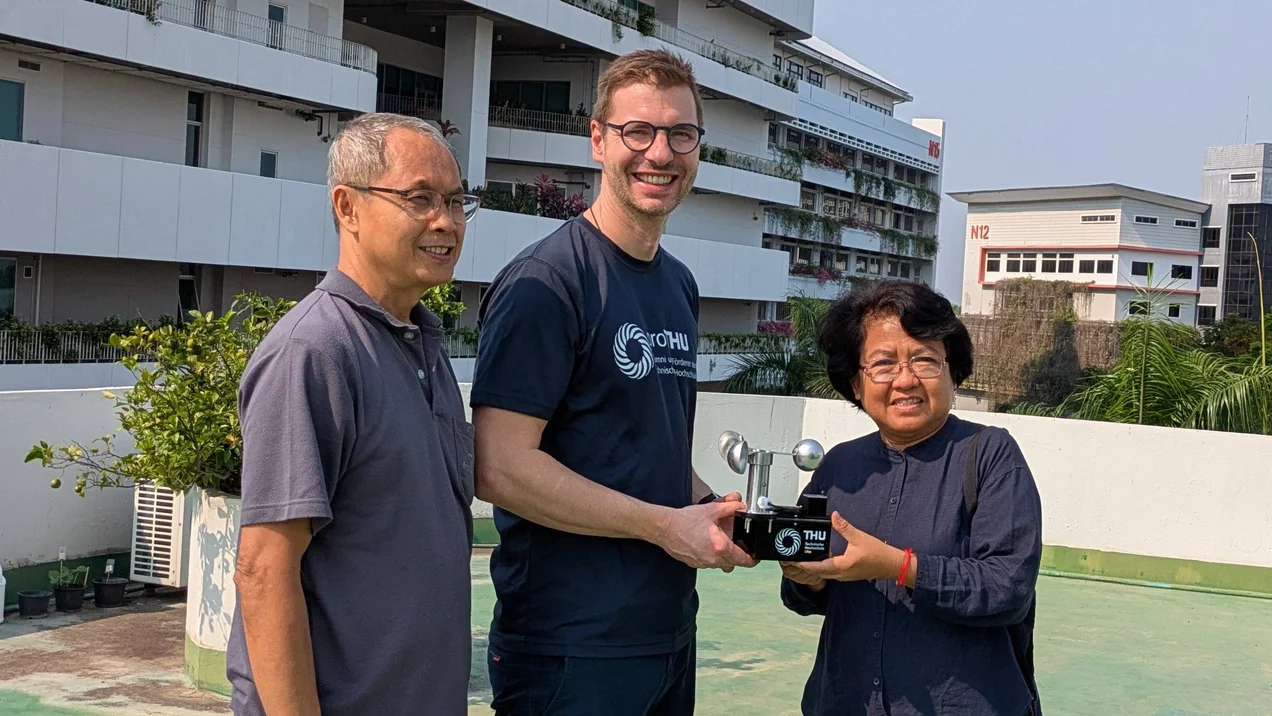
In November 2025 and February 2026, Prof. Dr. Stephan Schlüter visited our long-standing partners at King Mongkut’s University of Technology Thonburi (KMUTT) in Bangkok. Together, they developed a low-cost sensor box for collecting climate data. This device is intended for future use on a coffee farm in northern Thailand to support local farmers. More precise information about climatic conditions can help optimize coffee production and increase farm yields.
Copyright: THU

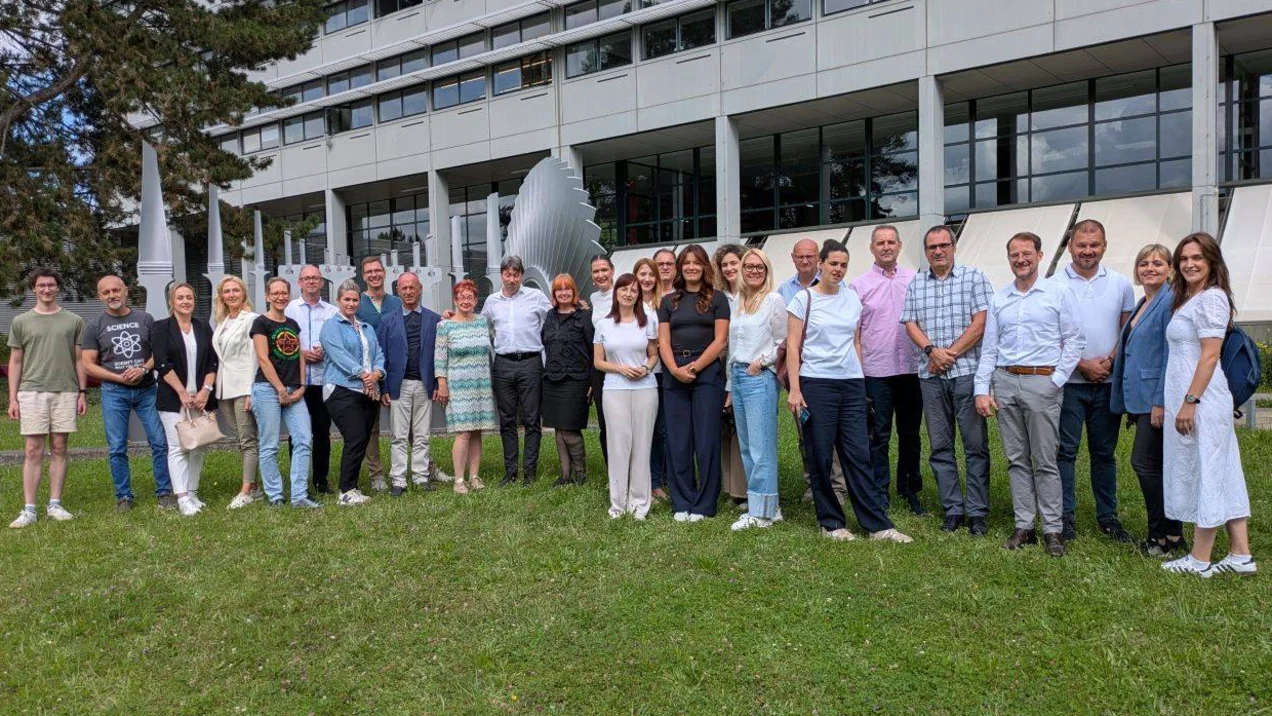
In February 2025, Prof. Dr. Stephan Schlüter attended the official kick-off of the ERASMUS+ project RDBIH. The goal of the project is to develop a research and development strategy for Bosnia and Herzegovina. In July 2025, Prof. Dr. Stephan Schlüter hosted the project meeting for the ERASMUS+ project RDBIH at the University of Applied Sciences Ulm. He welcomed numerous project partners from Bosnia and Herzegovina and Serbia to Ulm.

You can find more information here.
Copyright: THU/Schlueter

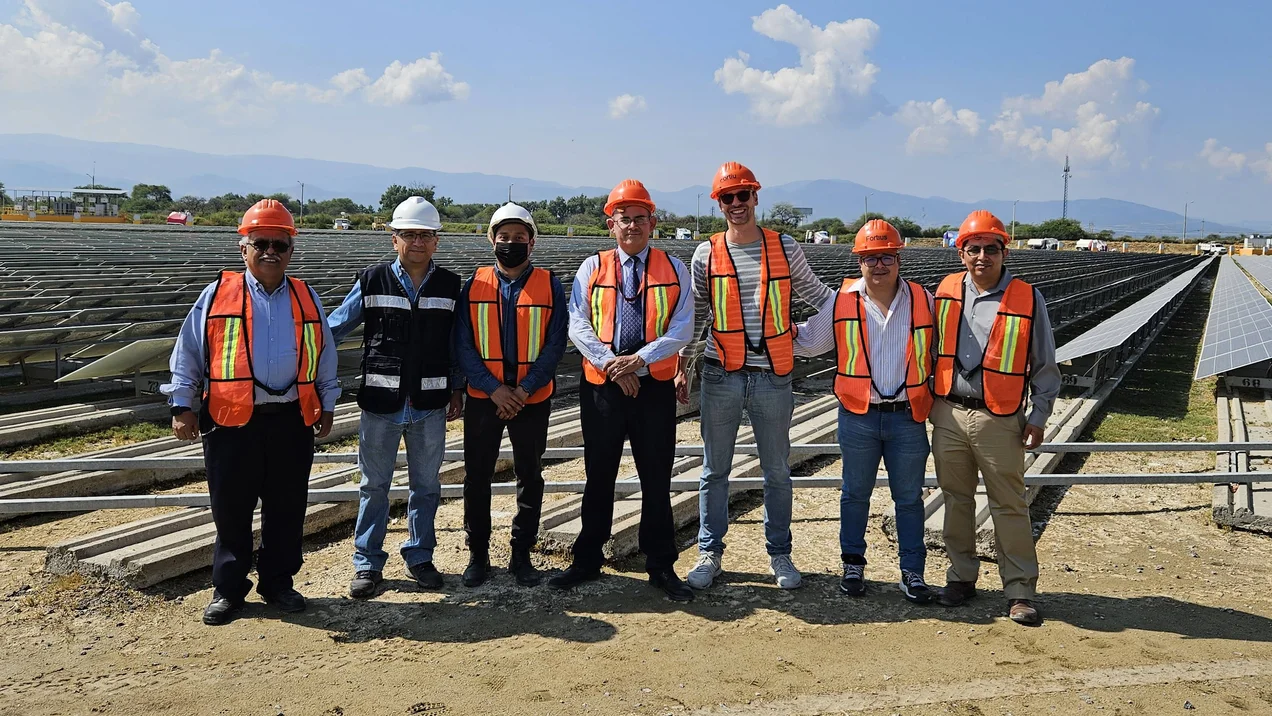
In November 2024, Prof. Dr. Stephan Schlüter visited partner universities in Guadalajara, Mexico, including the Universidad Autónoma de Guadalajara, where research group member Erick Maria Pinal Lara is based. Prof. Dr. Stephan Schlüter visited a solar power plant together with colleagues from the Universidad Autónoma de Guadalajara.

You can find more information here.
Copyright: THU

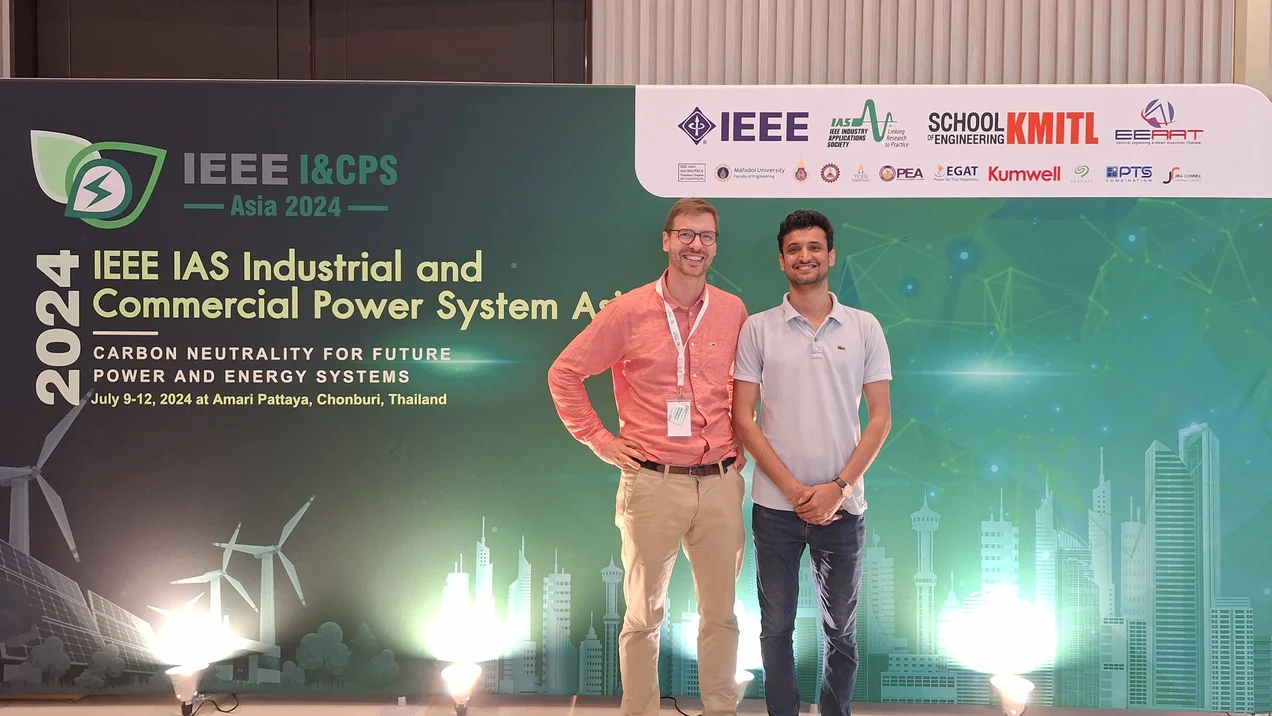
Abhinav Das and Prof. Dr. Stephan Schlüter presented their research findings on the optimal control of battery storage systems at the 2024 IEEE Conference in Thailand.

Copyright: THU

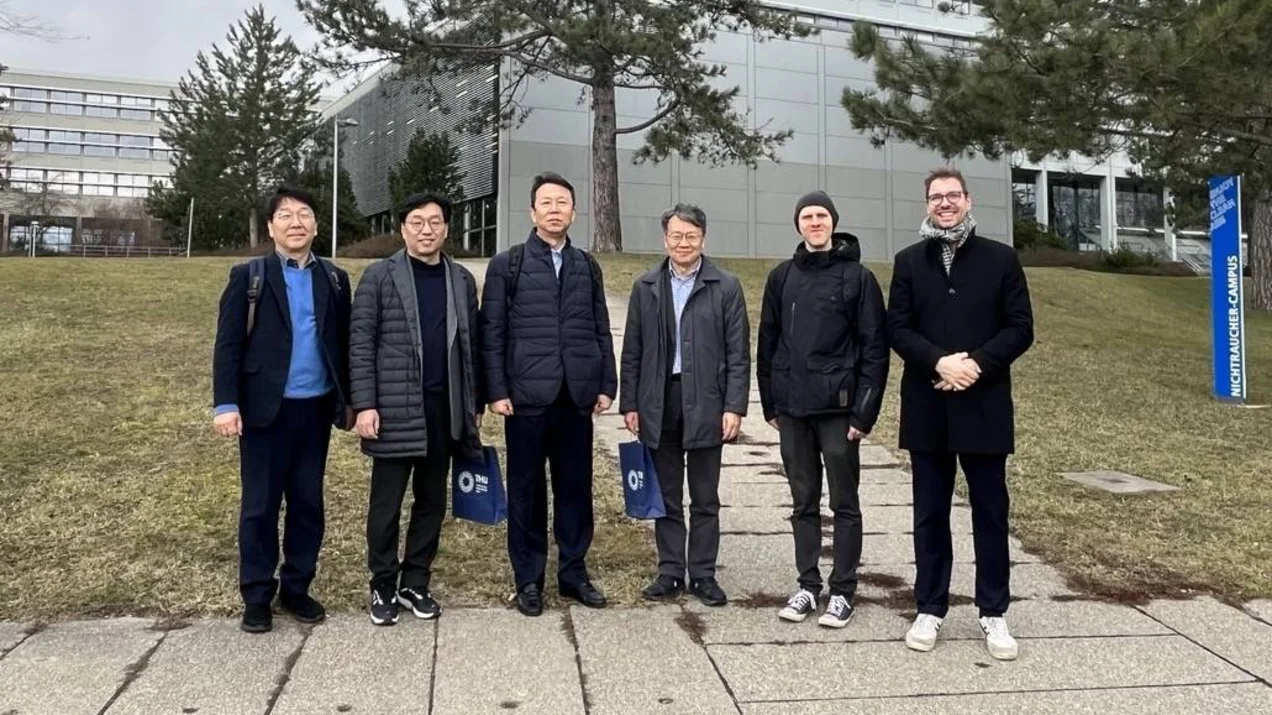
In February 2022, the research group welcomed partners from South Korea to Ulm University of Applied Sciences.

Copyright: THU

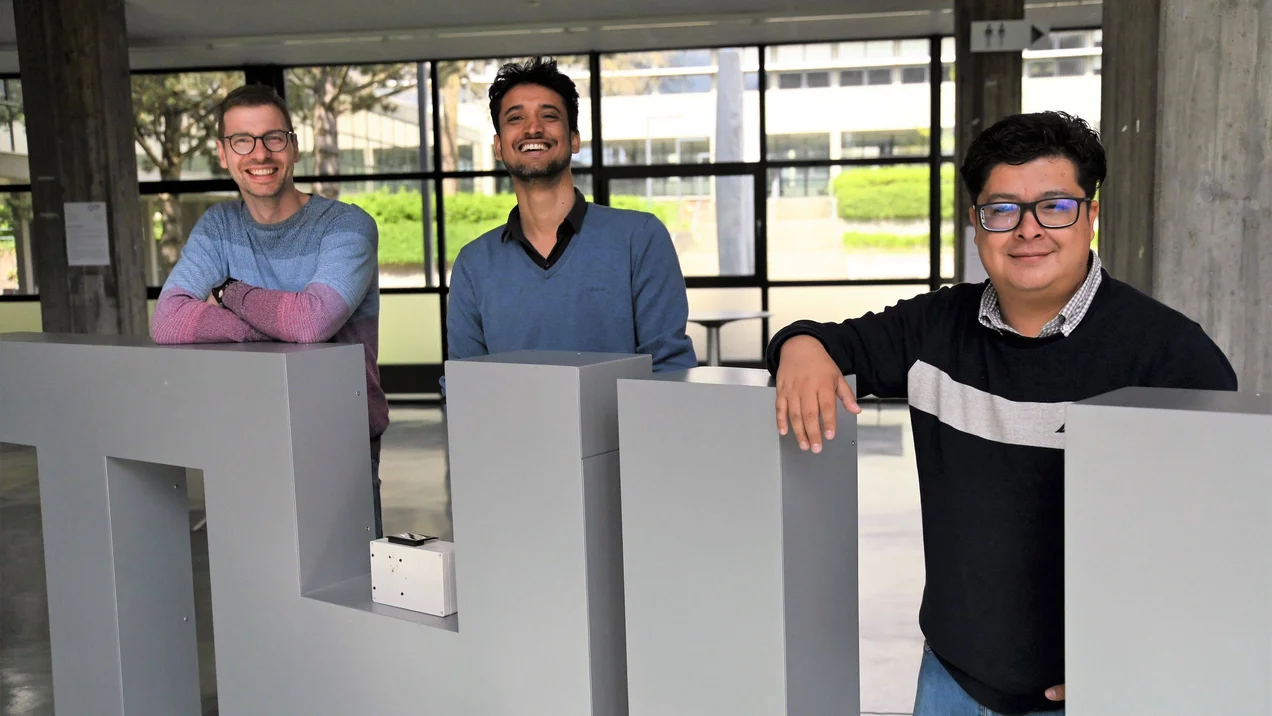
Erick Maria Pinal Lara (on the right in the photo) spent April through July 2024 conducting research at Ulm University of Applied Sciences.