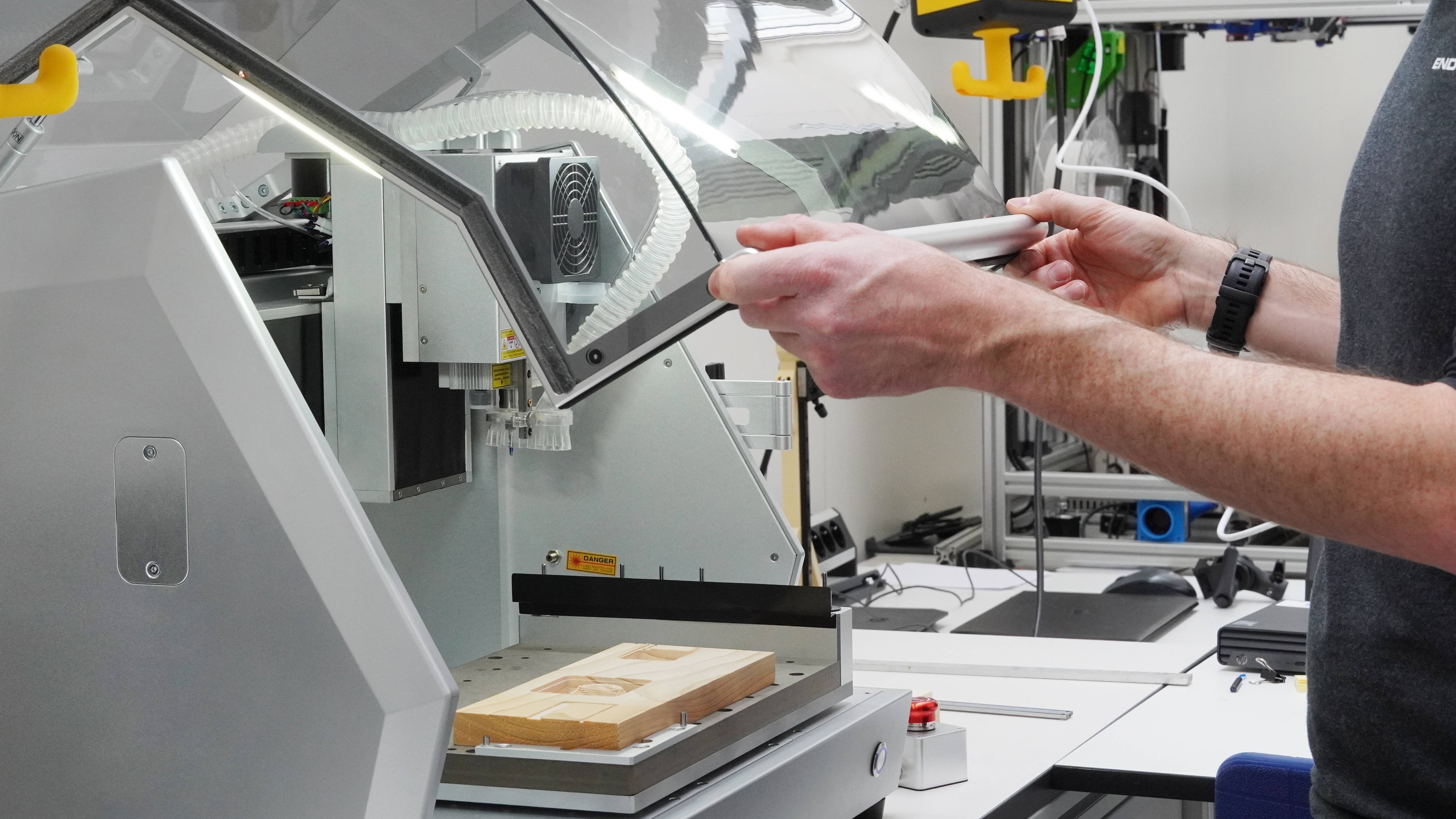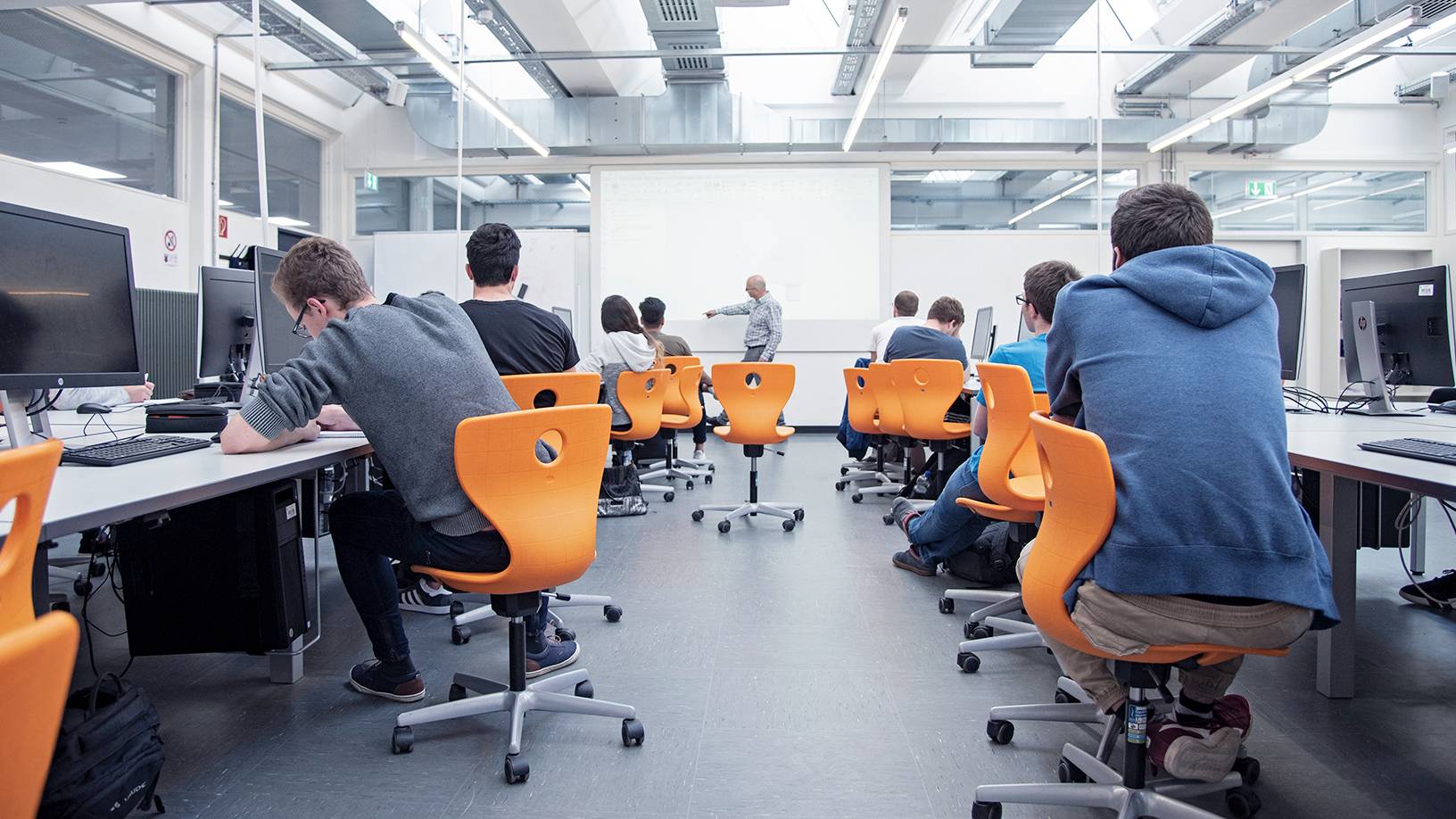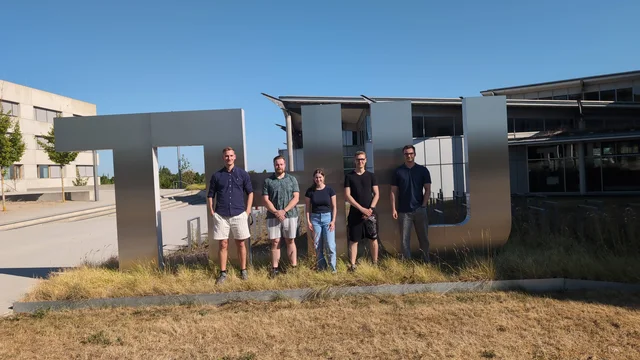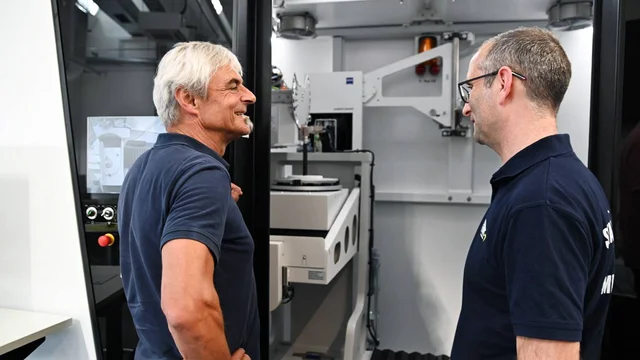

The Institute for Design and CA Technologies (ICT) is part of the Faculty of Mechanical and Automotive Engineering. The ICT provides the infrastructure for courses in mechanical and automotive design and offers the CAx tools required for product development. These include state-of-the-art software solutions, such as those used in research and development, as well as high-end hardware. Students use these to work on design tasks under realistic conditions.
The ICT acts as a partner for application-oriented research and industrial projects. In doing so, it collaborates with companies and other partners from academia and industry.
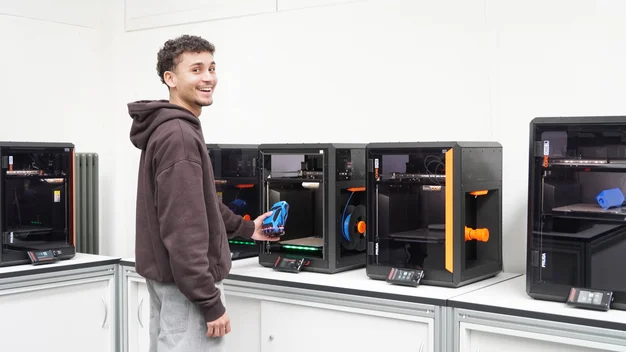
The ICT works in the following areas, among others:
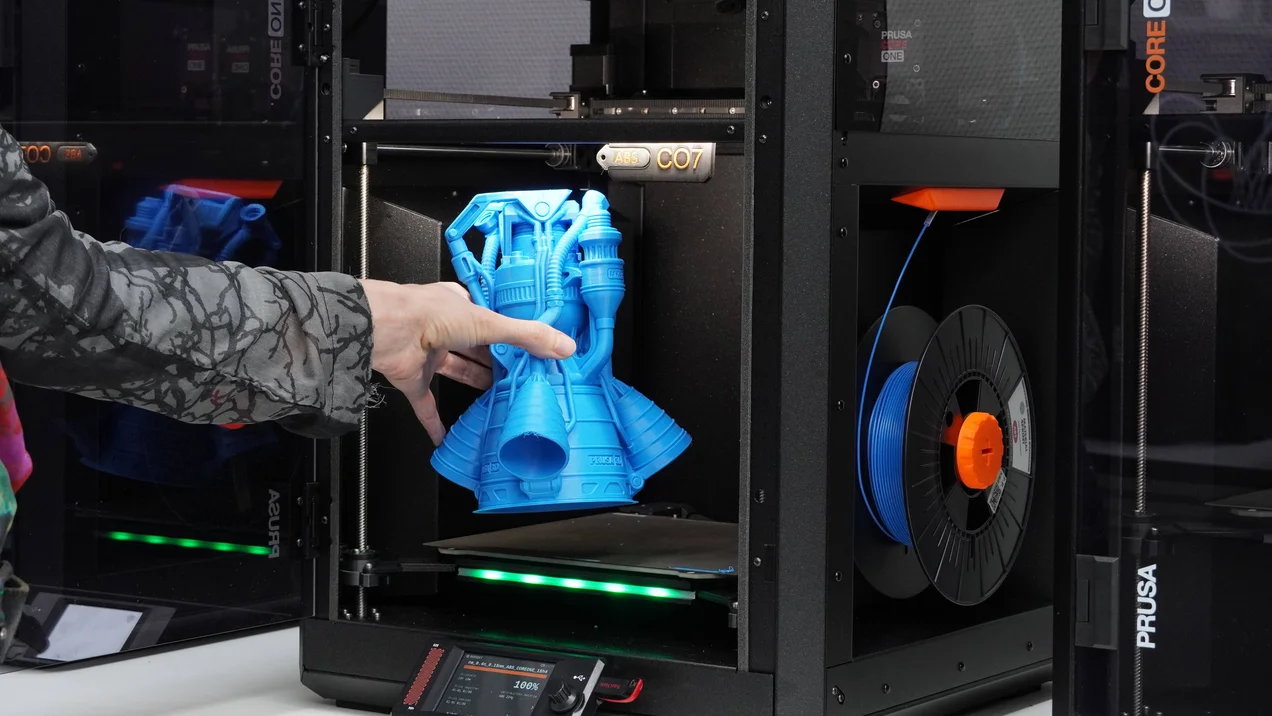
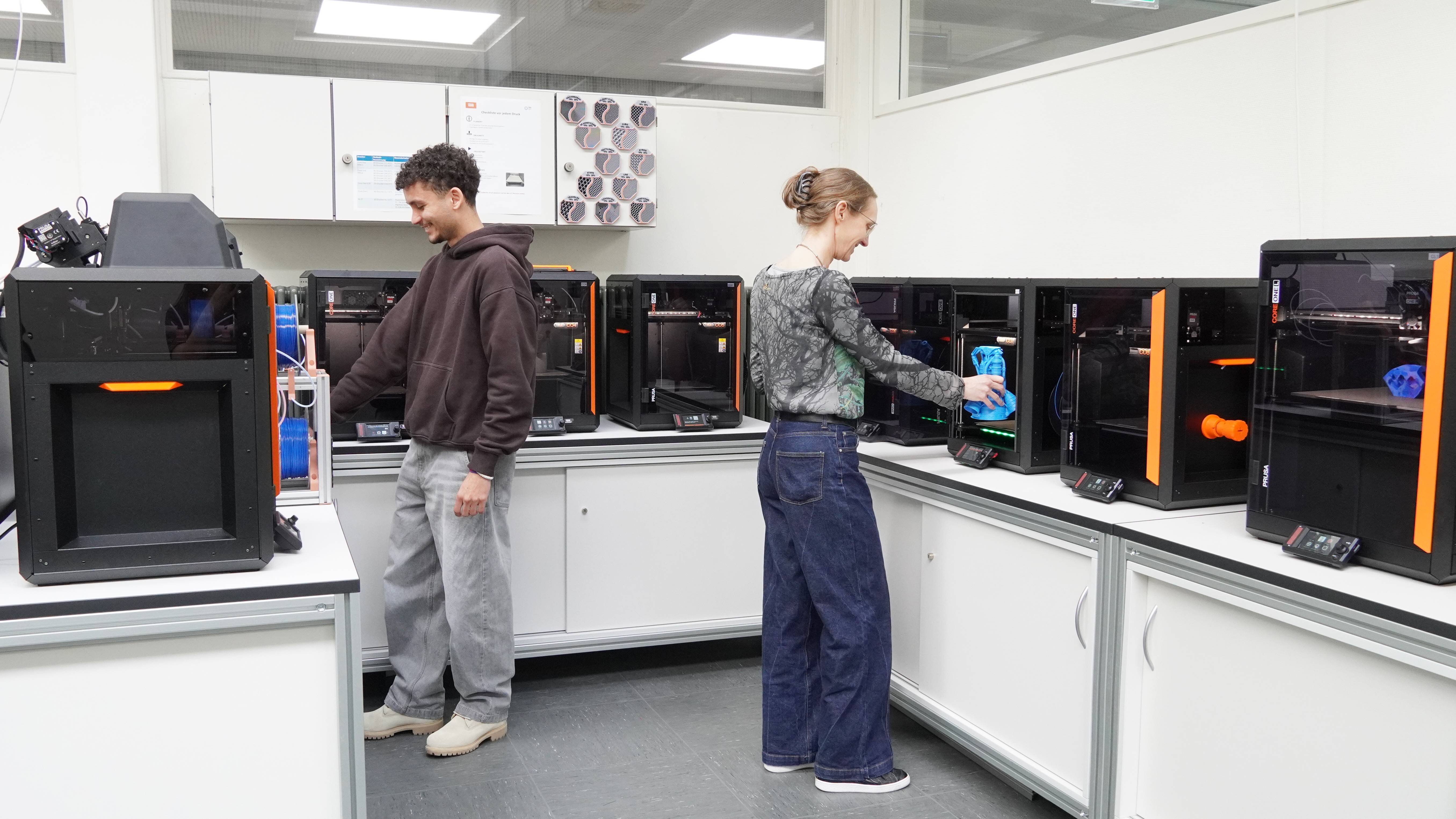
Additive manufacturing processes build components according to the principle of layer application. In contrast to subtractive processes, no material is removed, but the object is built up in layers and three-dimensionally. This opens up new possibilities in construction and design. Even small quantities can be produced economically without special tools.
ICT uses additive manufacturing particularly in prototype construction and lightweight construction. Several variants of a component can be produced and tested quickly.
FDM and SLA printers are available for teaching and research.
Contact persons: Prof. Gottfried Goebel & Michael Bartsch, M. Eng.
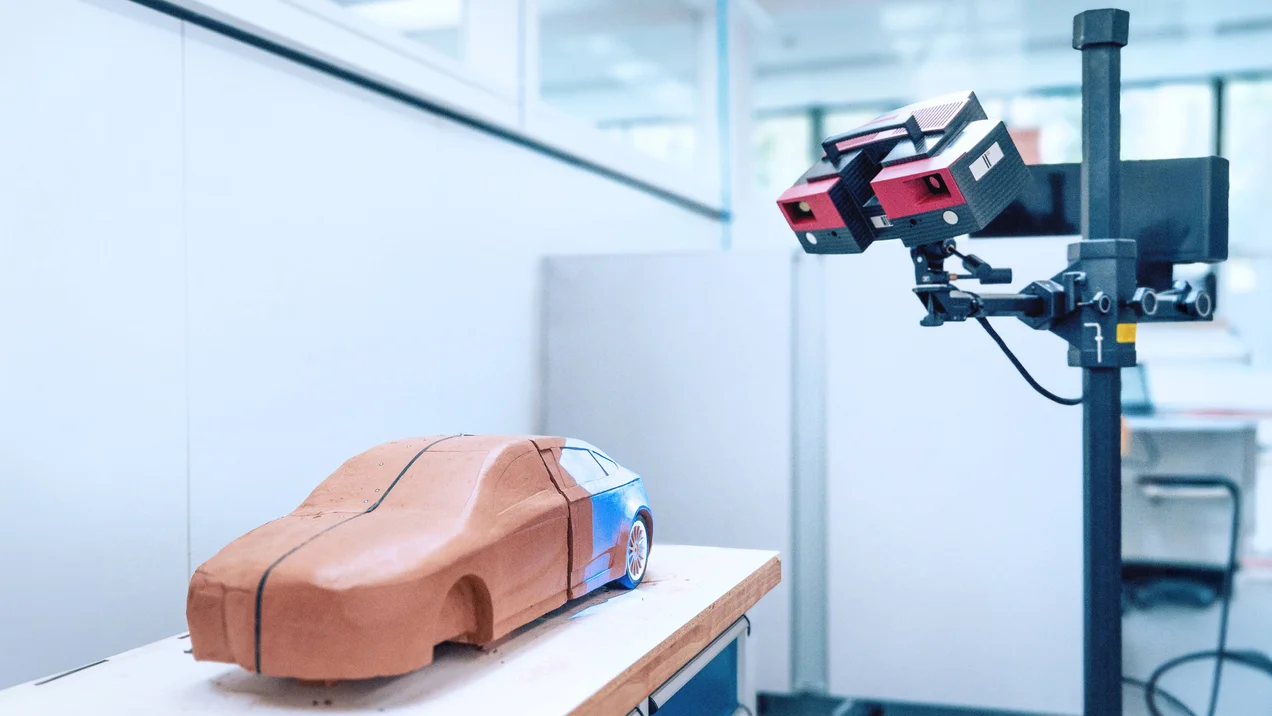
3D scanners are used at the institute for reverse engineering, rapid prototyping and geometric measurement. Hand-held scanners (Artec), a stationary high-resolution scanner (GOM ATOS Triple Scan) and an optical photogrammetry system (GOM TRITOP) are available. The systems make it possible to capture objects of different sizes - from small components to complete vehicles. Depending on the process, accuracies from around 0.05 mm are achieved. The scans are used, for example, to validate simulations, reconstruct components and for digital reverse engineering of real models.
3D scanning is used in teaching and research as well as in projects, in particular for
Various applications are supported, from component analysis to digital processing in CAD systems.
Contact persons: Prof. Gottfried Goebel, Michael Bartsch M. Eng.
Methodical product development in mechanical and vehicle engineering pursues a systematic approach across the entire product life cycle - from the idea to implementation. The focus is on training students to become engineers who can confidently apply modern product development methods.
In addition, the institute supports companies in various areas, for example through
Contact: Prof. Dr.-Ing. Michael Lätzer
The Shaft and Shaft-Hub Connections working group deals with the design, manufacture and evaluation of connections in the drivetrain. Both classic and innovative connection concepts and their damage mechanisms are investigated.
Among other things, the focus is on
In addition to the mechanical design, production, assembly and economic aspects are also taken into account. Current research topics relate in particular to high-speed drives (e.g. e-mobility), lightweight construction, installation space optimization and sustainable and cost-optimized solutions.
A particular focus is on hybrid transmission principles that combine frictional, positive and material locking. These approaches enable higher torques with reduced installation space and material usage.
The working group provides support in the selection, design and calculation of suitable shaft-hub connections for various applications.
Contact: Prof. Dr.-Ing. Michael Lätzer
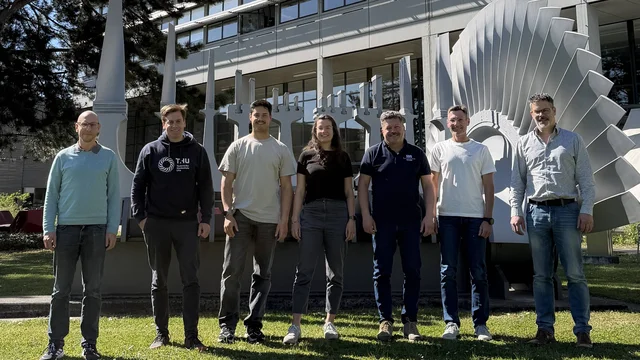
Prof. Dr. Jens Bihr (Vice President for Academic Affairs)
Prof. Dr. Christian Dettmann (Vice Rector for Research and Transfer)
Prof. Dr. Thomas Engleder
Prof. Dr. Annika Götz
Prof. Dr. Bernd Graf
Prof. Thomas Hofmann
Prof. Dr. Dietmar Imbsweiler
Prof. Dr. Markus Kalenborn
Prof. Dr. Michael Lätzer
Prof. Dr. Robert Schneider
Prof. Dr. Ralf Voß
Michael Bartsch, M.Eng.
Simon Schneider, M.Eng. (Ph.D. candidate)